Wine, wildlife, waves and wonder — your smart guide to planning the ultimate South Africa couple trip.
South Africa is one of the most spectacular and complete destinations in the world. Period.
You get:
- World-class safaris
- Dramatic coastlines
- Award-winning wine estates
- Stunning mountain landscapes
- Adrenaline adventures
- Deep history & culture
All in one country. Here’s how to do it smartly.
Tip #1: Travel During Shoulder Season
If you remember only one thing — remember this.
Best Shoulder Seasons:
- April–May (Autumn)
- September–Early October (Spring)
These months give you the sweet spot of:
✔ Good weather
✔ Fewer tourists
✔ 15–30% lower hotel prices
April–May
- 18–26°C in Cape Town
- Post-Easter calm
- Wine regions turn golden
- Safari improves as dry season begins
Perfect for couples who want romance + coast + wine.
September–Early October
- Wildflower bloom (Namaqualand)
- Peak wildlife visibility (dry season)
- Mild 15–25°C weather
Perfect if safari is your priority.
Avoid:
- December–February (Cape Town summer rush)
- July–August (international safari spike)
Tip #2: Stay In The Right Areas (Cape Town Safety Tip)
Location matters in Cape Town.
Stay in:
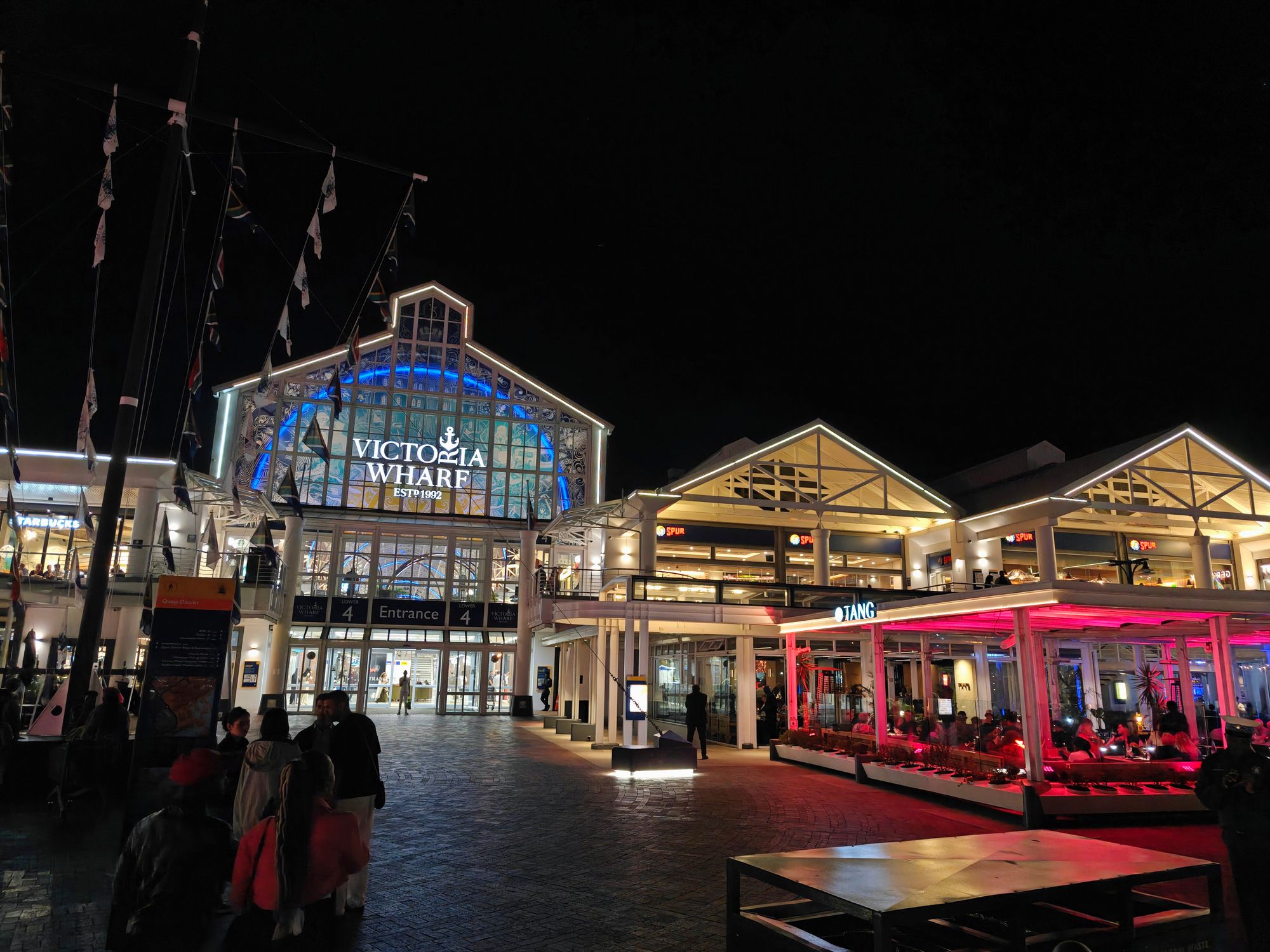
- V&A Waterfront
- Sea Point
- Cape Town CBD (reputed hotels only)
Avoid staying too far outside these zones. Why?
- Tourist areas are better lit and busier.
- Restaurants and attractions are nearby.
- Night movement is safer.
Smart Safety Moves:
- Avoid walking alone after 7 PM.
- Use Uber or Bolt at night (cheap & reliable).
- Don’t wander into quiet side streets late.
Cape Town has higher crime stats compared to many Western cities, but tourists staying in the right areas and using common sense rarely face issues.
Be smart. Not scared.
Tip #3: Must-Do Tours (High ROI Experiences)
✔ Hop-On Hop-Off City Sightseeing Bus
Great for orientation on Day 1.
✔ Sunset Catamaran Cruise (Couple Must-Do)
Romantic Atlantic sunset views.
✔ Boulders Beach + Cape Point Small Group Tour
Penguins + cliffs + iconic views.
These are efficient, organised, and worth the money.
Tip #4: Free & Romantic Things To Do
Not everything magical costs money.
✔ Signal Hill Sunset
Grab a bottle of Cap Classique. Pure romance.
✔ Sea Point Promenade Walk
Ocean breeze + sunset glow.
✔ Hike Table Mountain
Incredible panoramic views. Go early.
Maximum experience. Minimal cost.
Tip #5: If You’re Experiential & Food-Loving
✔ 14-Course Dinner at GOLD Restaurant
African tasting experience + live storytelling.
✔ Silo Rooftop Bar at Dusk
Elegant sunset cocktails.
✔ Fish & Chips in Hout Bay
✔ African flavours at Karibu Restaurant
South Africa does atmosphere exceptionally well.
Tip #6: If You’re Thrill-Seeking
South Africa is adventure heaven.
✔ Paragliding from Signal Hill
✔ Shark Cage Diving
✔ Hermanus Whale & Dolphin Watching
✔ Plettenberg Bay Swim with Seals
✔ Tandem Skydiving
You can combine romance and adrenaline beautifully here.
Tip #7: Shop Smart (Negotiate!)
Head to Greenmarket Square for African handicrafts.
Important:
- You may be quoted 2–3X the price.
- Negotiate respectfully but firmly.
- Shopkeepers expect bargaining.
Avoid:
❌ Airport duty-free souvenirs
❌ Overpriced V&A Waterfront tourist stores
Brands worth exploring:
- AAFRICAA
- AFRIKOA Luxury Craft Chocolate
- Africology
- Honest Chocolate
Authentic. Better value.
Tip #8: History & Culture Matters
Don’t skip these.
✔ Robben Island (Nelson Mandela’s prison site)
✔ Bo-Kaap Walking Tour + Cooking Class
✔ Zeitz MOCAA
South Africa’s history is powerful and layered.
Tip #9: You MUST Experience The Wine Regions
The Big Three:
- Stellenbosch
- Franschhoek
- Paarl
If possible:
Stay 1–2 nights at a wine estate. It’s lush. Peaceful. Romantic. Cinematic.
If you can’t stay:
Do a wine tour or ride the Franschhoek Wine Tram.
Wine Tram = excellent value + scenic + customizable.
Private wine tours = great if you want full flexibility.
Tip #10: No Time For Kruger? Do A Private Game Reserve Instead
If your itinerary doesn’t allow time to visit Kruger National Park, don’t worry.
South Africa has world-class private game reserves that offer:
✔ Higher luxury
✔ Fewer vehicles per sighting
✔ Excellent Big Five viewing
✔ All-inclusive lodge stays
Top 5 Private Game Reserves (Reputation-Based)
- Sabi Sands Game Reserve
(Adjacent to Kruger. Elite safari reputation.) - Timbavati Private Nature Reserve
(Known for white lions + excellent tracking.) - Phinda Private Game Reserve
(Luxury + diverse ecosystems.) - Shamwari Private Game Reserve
(Strong conservation credentials.) - Madikwe Game Reserve
(Malaria-free + excellent Big Five sightings.)
Private reserves cost more than Kruger self-drive — but offer a premium safari experience with guides, trackers, and curated sightings.
If this is your once-in-a-lifetime safari — consider going private.
Ideal 8–10 Day Structure
4–5 days Cape Town
2–3 days Wine Region
1–2 days Safari
That gives you: Coast + Wine + Wildlife + Culture + Romance.
South Africa isn’t just a destination. It’s a highlight reel of everything a trip should be.
Frequently Asked Questions
1. What is the best time to visit South Africa?
The best time to visit South Africa is during the shoulder seasons: April–May and September–early October.
These months offer:
- Pleasant weather (15–26°C)
- Fewer tourists
- 15–30% lower hotel rates
- Excellent safari visibility (especially September)
Avoid December–February (Cape Town peak summer) and July–August (international safari rush) if you want better value and fewer crowds.
2. Is Cape Town safe for tourists?
Yes, Cape Town is generally safe for tourists if you stay in the right areas and follow basic precautions.
Safest areas for visitors:
- V&A Waterfront
- Sea Point
- Reputable hotels in Cape Town CBD
Safety tips:
- Avoid walking alone after 7 PM.
- Use Uber or Bolt at night.
- Don’t wander into quiet side streets.
Most tourist incidents occur outside main visitor zones.
3. How many days do you need in South Africa?
You need 8–10 days minimum to experience South Africa properly.
Ideal breakdown:
- 4–5 days in Cape Town
- 1–2 days in the Wine Region (Stellenbosch or Franschhoek)
- 2–3 days on safari (Kruger or private reserve)
Less than 7 days feels rushed.
4. Is Kruger National Park better than private game reserves?
It depends on your travel style.
Kruger National Park:
- More affordable
- Self-drive options
- Larger and less exclusive
Private Game Reserves (Sabi Sands, Timbavati, Phinda, Madikwe, Shamwari):
- Fewer vehicles per sighting
- Luxury lodge experience
- Guided game drives with trackers
- Higher chance of close wildlife encounters
If this is a once-in-a-lifetime safari, a private reserve offers a more premium experience.
5. Which wine region is better: Stellenbosch or Franschhoek?
Both are excellent, but they offer slightly different vibes.
Stellenbosch:
- Larger region
- Traditional estates
- Strong red wine reputation
Franschhoek:
- More compact
- Boutique wineries
- Home of the famous Wine Tram
- More romantic and walkable
For couples and first-time visitors, Franschhoek is often easier and more scenic.
6. What are the best romantic things to do in Cape Town?
Top romantic experiences include:
- Signal Hill sunset with wine
- Sea Point Promenade walk at sundown
- Sunset catamaran cruise
- Staying overnight in the wine region
- Rooftop drinks at Silo Hotel
Cape Town is one of the best couple destinations globally.
7. Do you need travel insurance for South Africa?
Yes. Travel insurance is strongly recommended.
Healthcare in South Africa is private and high-quality, but expensive.
Comprehensive insurance should cover:
- Medical emergencies
- Safari-related activities
- Adventure sports (if applicable)
Do not travel without coverage.
8. Can you visit South Africa without doing a safari?
Yes, but you shouldn’t. Even if you don’t visit Kruger, you can stay at a private game reserve for 2–3 days and still experience the Big Five.
Safari is one of South Africa’s biggest highlights.